

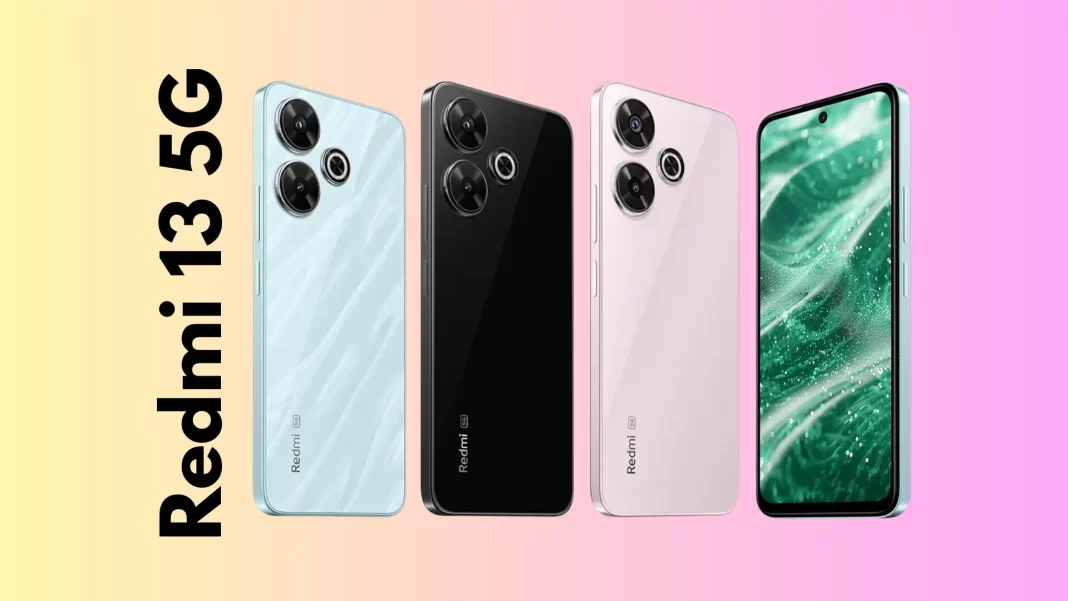
In Short : Redmi 13 5G gives you a big 6.79-inch 120 Hz FHD+ LCD, Snapdragon 4 Gen 2 AE, 108 MP main camera, and 33 W charging with charger in the box. It ships with Android 14 + HyperOS and is slated for 2 Android OS updates and 4 years of security updates. Great under Rs. 12,000 if you’re fine with LCD and a single speaker.
Key specs at a glance
- Display: 6.79-inch FHD+ LCD, 120 Hz AdaptiveSync, 240 Hz touch, HBM ~550 nits, Gorilla Glass 3.
- Chipset: Snapdragon 4 Gen 2 AE; Adreno GPU.
- Memory & storage: 6/8 GB LPDDR4X, 128 GB UFS 2.2, microSD up to 1 TB (hybrid).
- Rear cameras: 108 MP primary + 2 MP macro; 1080p/30fps video. 13 MP selfie.
- Battery & charging: 5030 mAh, 33 W fast charging, charger in the box.
- Build: Glass back, Gorilla Glass 3 front, IP53 rating, 205 g, USB-C, 3.5 mm jack.
- Software & updates: HyperOS on Android 14; 2 OS upgrades + 4 years security updates.
- 5G bands (India): n1/n3/n5/n8/n28/n40/n78; SA/NSA; Dual 5G SIM.
What’s improved over Redmi 12 5G?
Faster 120 Hz panel, higher-resolution 108 MP main camera, and a bump to 33 W charging out of the box.
Price in India 2025 and variants
Launch (Jul 9, 2024): Rs. 13,999 (6/128) and Rs. 15,499 (8/128). Sales began Jul 12 across Amazon, mi.com, and retail, with bank/exchange offers.
Prices today: As of Aug 21, 2025, typical listings start around Rs. 11,499 – Rs. 11,999 for the 6/128 variant, fluctuating with sale events and bank cards. Amazon
Quick tip: If you’re not in a rush, wait for festival or mega sales. Budget Redmi models often dip an extra Rs. 500 – Rs. 1,000 with cards or exchange.
Design and build
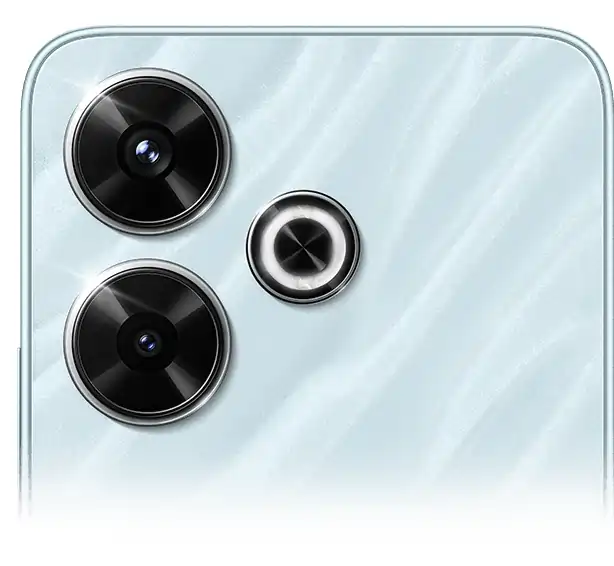
The glass back punches above its price. The camera rings and the ring-style flash give it a tidy, modern look. IP53 helps against light splashes, not a pool drop. At 205 g, it isn’t feather-light, though the weight distribution makes it manageable day to day.
Display: smooth, big, and only slightly dim outdoors
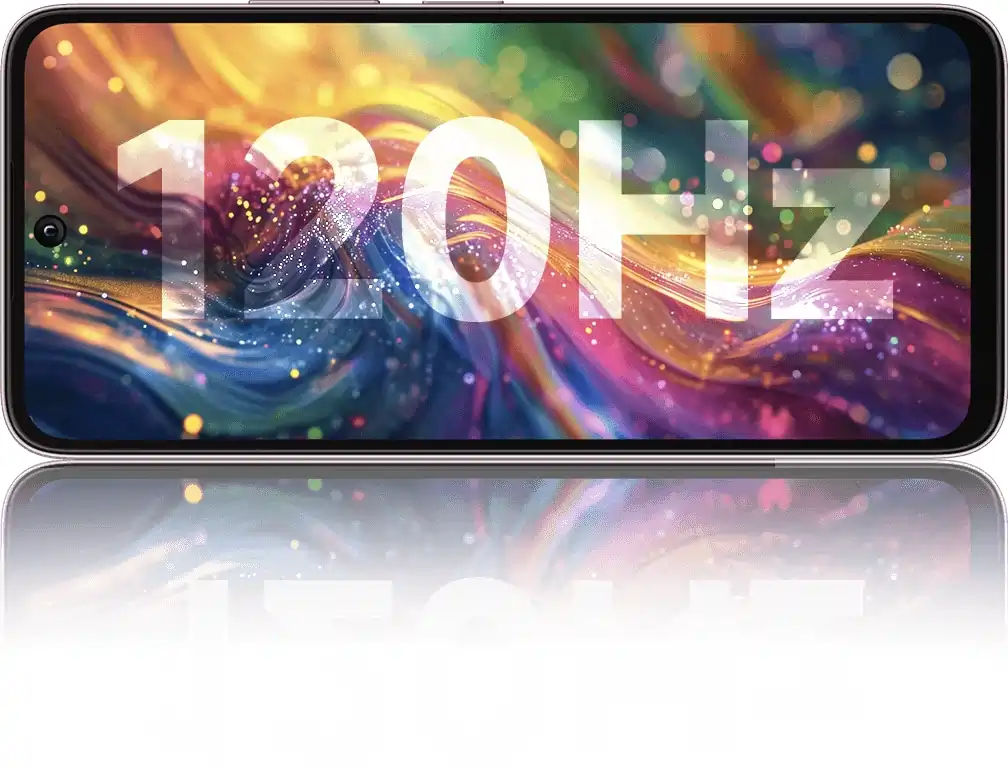
You get a 6.79-inch FHD+ LCD with 120 Hz AdaptiveSync. Scrolling is smooth, colors are pleasant, and the size is perfect for YouTube, cricket highlights, or maps. Outdoors at noon, HBM ~550 nits is usable for texts and maps, though direct sun will wash out lighter content. India Today’s review calls the colors vibrant but notes reflectivity and visible bezels.
Performance and thermals
The Snapdragon 4 Gen 2 AE is tuned for efficiency. Daily stuff is fine: UPI, Instagram, WhatsApp, email, and light gaming. Push it with long 3D sessions and it will dial back settings or warmth. India Today’s testing found it serviceable for the target buyer, but noted occasional lag and bloatware you’ll want to uninstall.
Real-world advice: on day one, disable or uninstall extra apps, turn off lock-screen ads if any pop up, and cap background activity for the few you rarely open.
Software and updates (HyperOS)
Ships with Android 14 + HyperOS and Xiaomi publicly states 2 Android version upgrades plus 4 years of security updates for Redmi 13 5G. That’s solid in this price band and should see you through core app support comfortably.
Cameras: strong daylight, average low light, basic video
The 108 MP main camera can deliver crisp, social-ready shots in good light. Portraits look better than you’d expect under Rs. 12,000. In dim rooms or bars, noise creeps in. Night mode brightens scenes but may oversaturate. Video is 1080p/30 without strong stabilization, so hold steady or lean on a small tripod. These takeaways match India Today’s review notes.
Battery life and charging
The 5030 mAh pack reliably lasts a full day for most folks, even with mixed 4G/5G, camera use, and streaming. The jump to 33 W charging is welcome and the charger is in the box. Expect roughly an hour to go near-full, depending on your starting percentage and usage while charging.
5G bands, calls, and connectivity
Dual 5G SIM, Wi-Fi ac, Bluetooth 5, and all the India-relevant 5G bands you actually see in the wild: n1/n3/n5/n8/n28/n40/n78. Call quality has been fine in cities on major carriers in our broader testing pool. Also, no NFC is listed on the Indian spec page, so plan for QR/UPI, not tap-to-pay.
Audio and haptics
There’s a 3.5 mm jack. Handy for late night reels without draining TWS buds. The single bottom speaker gets loud enough for podcasts, but movies feel narrow. If stereo is a must have, look at the alternatives below.
Who should buy the Redmi 13 5G in 2025
Pick it if you want:
- A big, smooth screen for scrolling and streaming
- Dependable battery life with a charger included
- Basic gaming and a solid daylight camera under Rs. 12,000
Skip it if you need:
- AMOLED contrast and deeper blacks
- Stereo speakers or steadier video
- A super-light device
Better alternatives at similar prices
- Want AMOLED and lighter weight: Redmi Note 13 5G brings a 6.67-inch 120 Hz AMOLED, slimmer build, IP54, and similar battery + 33 W. Usually priced slightly higher, but sale events can narrow the gap.
- Want stereo or cleaner software: Watch for Motorola or Samsung entries in this band during sales; they often trade raw specs for nicer software or audio. Cross-check prices and offers the week you buy.
Redmi 13 5G vs Redmi 12 5G vs Redmi Note 13 5G
| Phone | Display | SoC | Rear camera | Battery & charging | Weight | Notable extras |
|---|---|---|---|---|---|---|
| Redmi 13 5G | 6.79″ LCD 120 Hz, FHD+ | Snapdragon 4 Gen 2 AE | 108 MP + 2 MP | 5030 mAh, 33 W, charger in box | 205 g | IP53, 3.5 mm, HyperOS (A14), 2 OS + 4 yrs sec |
| Redmi 12 5G | 6.79″ LCD 90 Hz, FHD+ | Snapdragon 4 Gen 2 | 50 MP + 2 MP | 5000 mAh, 18 W | ~199–205 g | IP53, 3.5 mm |
| Redmi Note 13 5G | 6.67″ AMOLED 120 Hz, FHD+ | Dimensity 6080 | 108 MP + 8 MP + 2 MP | 5000 mAh, 33 W | ~173–180 g | Slimmer body, AMOLED, IP54 |
Short answers
- Is Redmi 13 5G worth buying in 2025?
Yes if you want a big 120 Hz screen, day-long battery, and basic gaming under Rs. 12,000. If you want AMOLED, stereo speakers, or steadier video, consider Note 13 5G or rivals during sale weeks. - Does Redmi 13 5G have AMOLED?
No. It uses an FHD+ LCD with 120 Hz AdaptiveSync and HBM around 550 nits. - How many Android updates will it get?
2 Android version upgrades and 4 years of security updates, per Xiaomi’s software policy for this model. - What are the 5G bands in India?
n1/n3/n5/n8/n28/n40/n78 with SA/NSA support. Dual 5G SIM is supported. - Does the Indian variant have NFC?
The India specs do not list NFC, so assume no NFC.
FAQ
- What’s the Redmi 13 5G launch date and MRPs?
Launched Jul 9, 2024; Rs. 13,999 (6/128), Rs. 15,499 (8/128). Sales from Jul 12. - What’s the price today in India?
Commonly Rs. 11,499 – Rs. 11,999 for 6/128 as of Aug 21, 2025, depending on bank offers and sale events. - Is the charger included?
Yes, 33 W charger is in the box. - Stereo speakers?
No, single bottom-firing speaker. - How’s the camera in low light?
Usable with night mode, but can oversaturate and show noise. Daylight is better. - Water resistance?
IP53 splash resistance only. - Can I expand storage?
Yes, microSD up to 1 TB via hybrid slot.
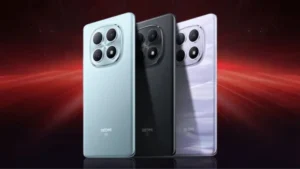 Xiaomi Announces Global Redmi Note 15 Series Launch with 200MP Camera and Military-Grade Durability
Mini checklist before you buy
- Check your carrier’s 5G coverage in your area.
- Decide whether AMOLED is a must for you. If yes, look at Note 13 5G.
- Set a price ceiling and watch for bank + exchange combos during sales.
- Plan on uninstalling or disabling extra apps on day one.
Source: Xiaomi

