

Key Takeaways
- Ericsson Fintech Platform now integrates Mastercard Move, spanning 200 countries and territories in 150 currencies
- Ericsson’s platform processes over 4 billion transactions monthly, serving 120 million active users across 22 countries
- Global rollout begins in Middle East and Africa, where demand for mobile money and remittances is strongest
- Telecom operators, fintechs, and banks can now deploy cross-border wallet services using pre-integrated APIs without building custom infrastructure
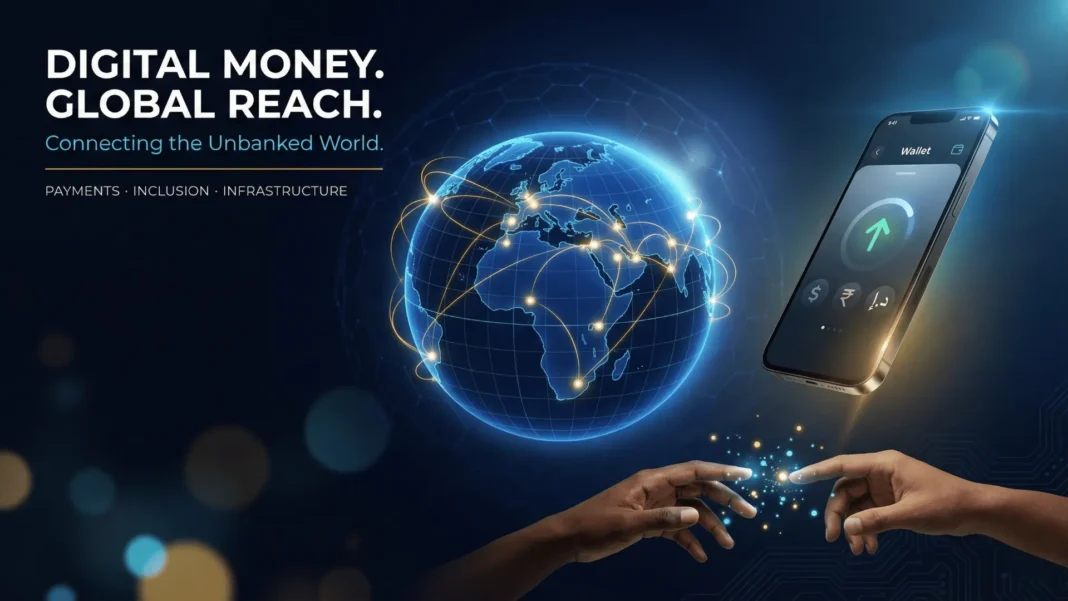
On February 18, 2026, Ericsson and Mastercard confirmed the integration of Ericsson’s Fintech Platform with Mastercard Move, and the structural implications reach far beyond a standard corporate partnership. This is infrastructure-level change: two mature, proven platforms bridged by pre-integrated APIs, built to expand digital wallet capabilities and bring unbanked and underbanked communities into the formal digital economy. Understanding what was actually built, and what it means in practice, tells you exactly where digital payments are heading next.
What the Ericsson-Mastercard Integration Actually Does
The core of this collaboration is a technical bridge between two large-scale platforms. Ericsson’s Fintech Platform, which already operates in 22 countries and serves more than 120 million active users, now connects directly to Mastercard Move through pre-integrated APIs.
Ericsson’s platform processes more than 4 billion transactions every month across digital wallets, payments, remittances, lending, and loyalty services, all backed by enterprise-grade security. That operational scale is the foundation Mastercard is plugging into.
Mastercard Move handles money movement across more than 200 countries and territories, reaching over 17 billion endpoints and supporting transactions in 150 currencies (endpoint count as of October 2025). A telecom operator, a digital wallet provider, or a fintech startup can now tap into Mastercard’s global rails without writing bespoke cross-border payment infrastructure from scratch.
 Oracle Fusion Cloud EPM Earns Gartner Leader Status: What It Means for Enterprise Finance in 2026
Why Pre-Integrated APIs Change the Market
The technical barrier that blocks smaller fintechs from global money movement is typically compliance infrastructure. Ericsson’s cloud-native, compliance-ready architecture directly addresses this.
By handling integration, deployment, and compliance complexity at the platform level, the collaboration reduces technology complexity and accelerates time to market for new payment services. A provider that previously needed months to build a compliant cross-border transfer feature can now deploy it significantly faster by connecting to this combined infrastructure.
This is the specific mechanism by which the partnership generates new revenue streams and strengthens digital ecosystems across both emerging and developed markets, as stated in the official release.
Who Benefits and Why the Middle East and Africa Come First
The global rollout begins in the Middle East and Africa, and that sequencing is deliberate. These regions have particularly strong demand for mobile money, remittances, and interoperable payment services, making them the most immediate beneficiaries of this infrastructure integration.
The collaboration is designed to empower telecom service providers, banks, and fintechs to expand digital wallet capabilities, launch new payment services, and specifically reach unbanked or underbanked communities who lack access to traditional financial infrastructure.
Mastercard Move’s capacity to connect more than 17 billion endpoints across 200 countries means that once a telecom operator in the region integrates, their users gain access to a global network of bank accounts, cards, mobile wallets, and cash pickup locations through a single platform connection.
What Both Executives Said and What It Signals
Pratik Khowala, Global Head of Transfer Solutions at Mastercard, stated: “By integrating with Ericsson’s fintech platform, we’re opening new pathways for telecom operators, financial institutions and fintechs to scale innovative payment services, reach underserved communities and unlock fresh revenue streams.”
Three outcomes are named directly: reach, scale, and revenue. Those are precisely the metrics that determine whether a fintech partnership delivers durable results or fades after the announcement.
Pavan Bachwal, Head of Mobile Financial Services at Ericsson, said: “Combining Ericsson’s trusted, scalable platform with Mastercard Move enables our customers to launch secure and efficient payment solutions faster than we ever have before.” The word “faster” is doing real work here. Speed to market is the critical competitive variable for payment providers operating in high-growth corridors.
How Telecom Operators Gain New Payment Capabilities
Telecom companies hold a structural advantage in emerging markets: they reach customers that traditional banks do not. Ericsson’s Fintech Platform turns that distribution reach into a launchpad for financial services.
This integration lets telecom operators expand their digital wallet capabilities using Mastercard Move’s network without building their own payment rails. Providers that previously offered domestic mobile money can now add international remittances, cross-border business payments, and multi-currency wallet features, all backed by Mastercard’s compliance and security frameworks.
The collaboration explicitly targets creating new revenue streams and expanding participation in the digital economy across both emerging and developed markets.
Limitations and Honest Considerations
Infrastructure integration is necessary but not sufficient for financial inclusion outcomes. Digital adoption also depends on user trust, financial literacy, device access, and local regulatory frameworks that vary significantly across the 200+ countries and territories Mastercard Move covers.
The rollout prioritizes Middle East and Africa in the first phase, with no public timeline disclosed for other regions. The gap between announced platform capability and actual end-user availability will depend on how quickly individual telecom operators and fintechs complete their own integration work.
Competitors including Visa Direct and other cross-border payment networks already operate in overlapping corridors. Ericsson and Mastercard’s differentiation rests on the depth of telecom distribution and the simplicity of the pre-integrated API approach, but converting that structural advantage into measurable inclusion outcomes requires sustained execution beyond the initial rollout.
What This Means for Fintech Builders in 2026
If you build or evaluate fintech products for emerging markets, this partnership changes your competitive landscape. The pre-integrated API approach makes Ericsson the platform-layer equivalent of what Stripe achieved in card payment abstraction: abstracting compliance complexity so builders can focus on product rather than infrastructure.
The integration specifically lowers the entry cost for wallet providers to offer global money movement, which means more competitors will gain access to corridors that were previously too expensive to serve. Products that differentiate on user experience, local language support, and trust-building rather than on payment rails will hold the strongest positions going forward.
Frequently Asked Questions (FAQs)
What is the Ericsson-Mastercard collaboration announced in February 2026?
Ericsson and Mastercard announced on February 18, 2026 the integration of Ericsson’s Fintech Platform with Mastercard Move. The partnership enables telecom operators, fintechs, and banks to deploy cross-border payment services using pre-integrated APIs, cloud-native tools, and Mastercard’s global money movement network.
What is Mastercard Move and how does it work?
Mastercard Move is Mastercard’s portfolio of money movement solutions supporting transfers across more than 200 countries and territories in 150 currencies, reaching over 17 billion endpoints including bank accounts, cards, mobile wallets, and cash pickup locations as of October 2025. It handles remittances, cross-border business payments, and digital wallet transfers.
How large is Ericsson’s Fintech Platform today?
The Ericsson Fintech Platform operates in 22 countries, serves more than 120 million active users, and processes more than 4 billion transactions monthly across digital wallets, payments, remittances, lending, and loyalty services backed by enterprise-grade security.
Which regions will see the rollout first and why?
The global rollout begins in the Middle East and Africa. These regions have particularly strong demand for mobile money, remittances, and interoperable payment services, making them the highest-priority markets for the initial deployment of the combined platform capabilities.
How does this partnership benefit unbanked and underbanked communities?
By combining Ericsson’s telecom-connected platform with Mastercard Move’s global network, the partnership enables providers to reach populations without formal bank relationships. Users gain access to digital transfers and payment services through their mobile operator, using infrastructure that previously required traditional banking relationships to access.
Can small fintechs access this integration or is it only for large operators?
The integration is designed for telecom service providers, banks, and fintechs of varying sizes. Ericsson’s pre-integrated APIs and compliance-ready infrastructure specifically reduce the technical and regulatory barriers that prevent smaller providers from deploying cross-border payment services at scale.
What specific technology enables this integration?
The integration uses Ericsson’s pre-integrated APIs combined with cloud-native deployment architecture and compliance-ready infrastructure. These components reduce the complexity of connecting to Mastercard Move, lower operational barriers, and shorten time to market for new payment services significantly.

