

Quick Brief
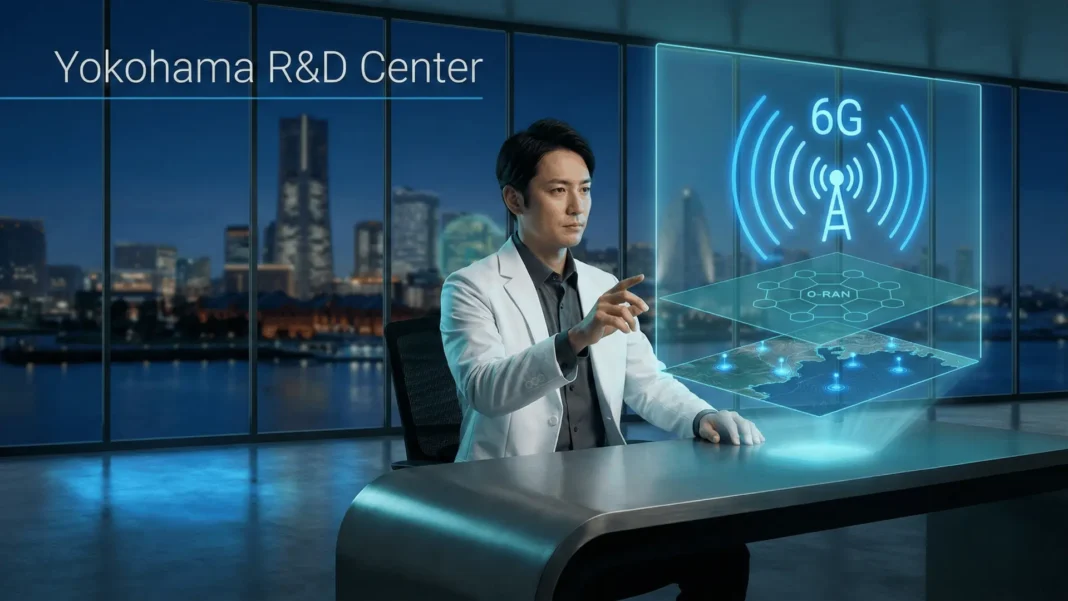
- Ericsson’s new R&D Center opens in Yokohama’s Minato Mirai 21 district, with operations from April 2026 and official inauguration in H1 2027
- Up to 300 R&D positions will be created, targeting Japanese university graduates and experienced telecom professionals
- The facility advances radio hardware and software, programmable 5G networks, 6G, O-RAN architectures, and AI-powered network solutions
- Jan Fallgren is appointed Head of Ericsson Radio R&D in Japan to lead the new center
Ericsson has selected Yokohama as the home of a new R&D Center that feeds directly into its global 5G and 6G research pipeline. Confirmed on February 17, 2026, the facility is backed by Ericsson’s annual USD 5 billion global R&D commitment and positions Japan as a core node in its worldwide innovation network. For engineers, telecom operators, and technology markets across Asia and beyond, the implications are concrete and immediate.
Why Yokohama and Why Now
Ericsson selected Yokohama’s Minato Mirai 21 district for its strategic location, proximity to existing Ericsson facilities, and the city’s established public-private-academic collaboration ecosystem that attracts industries, academic institutions, and skilled talent.
The investment path began in May 2025, when Ericsson President and CEO Börje Ekholm visited Japan and announced the company’s intention to expand Radio Access Network (RAN) R&D in the country. The February 2026 press release confirmed Yokohama’s Minato Mirai 21 district as the specific site, moving from intent to operational reality.
Takeharu Yamanaka, Mayor of Yokohama, stated: “I anticipate that the advancement of cutting-edge wireless communication technologies, including 6G, at the new R&D center will foster new innovations, cultivate the next generation of talent, and revitalize Yokohama’s economy.”

What the Center Will Actually Build
The Yokohama R&D Center is structured around four technology pillars with direct commercial relevance.
- Advanced radio hardware and software for Japanese and global markets
- High-performing programmable 5G networks with speed, low-latency, and large data capacity
- Next-generation 6G mobile technologies with AI-powered network intelligence
- Open network architectures (O-RAN) that support multi-vendor interoperability
Anna Dicander, Head of Radio and Transport Engineering at Ericsson, described the ambition directly: “We’re partnering with Japanese companies, universities, startups, and government agencies to bring innovations in 5G and 6G to the world. By combining Ericsson’s global expertise with Japan’s engineering talent, we’ll drive advances in next-generation radio technologies, AI-powered networks, and energy-efficient solutions.”
The center will also host dedicated on-site collaboration areas for customer and partner co-innovation, as well as support for international standardization bodies that define how global telecom protocols are set.
The 300-Engineer Hiring Plan
Recruitment for up to 300 R&D positions is underway. Ericsson is targeting two candidate groups: Japanese university graduates entering the telecom field and experienced professionals in telecommunications, software, and hardware engineering.
By building a domestic workforce, Ericsson aims to nurture future telecom engineers and deepen collaboration with the Japanese government, the city of Yokohama, and industry partners. Workforce participants will also engage directly in international standardization efforts, giving Japan a stronger voice in determining which technologies become global industry standards.
Chafic Nassif, Head of Ericsson Market Area Northeast Asia, explained the strategic intent: “Our expansion in Yokohama is not only about building more R&D capacity, it is about working even more closely with Japanese customers and partners. By co-innovating in Japan for the world, we will strengthen the broader Japanese ICT ecosystem and support the country’s digital transformation and economic security.”
Ericsson’s 40-Year Japan Foundation
Ericsson is not entering Japan as a newcomer. The company began operations in Japan in 1985 and currently employs more than 1,000 people across offices in Tokyo, Yokohama, and Sendai.
Before the Yokohama center was announced, Ericsson was already collaborating with Yokohama National University and the University of Electro-Communications on 6G research. These existing academic partnerships form the ecosystem infrastructure into which the new R&D center directly plugs. Ericsson also holds strategic partnerships with SoftBank on AI-RAN integration and with KDDI through the Aduna API venture.
Where Yokohama Fits in Ericsson’s Global R&D Network
Ericsson invests approximately USD 5 billion annually in R&D worldwide. The Yokohama center joins a network that includes hubs across Sweden, North America, and India, with each site holding a distinct research mandate.
| R&D Center | Location | Primary Focus | Confirmed Scale |
|---|---|---|---|
| New Japan Center | Yokohama, Minato Mirai 21 | Radio hardware/software, 5G, 6G, O-RAN | Up to 300 positions |
| Bengaluru Unit | India | 5G and 5G Advanced RAN software | New unit, opened November 2025 |
| Chennai Center | India | Transport, Packet Core, OSS/BSS, Cloud, AI, 6G program | Established, 6G team added 2024 |
| Gurugram Center | India | Transport, Packet Core, OSS/BSS, Cloud, AI | Established |
The Yokohama center handles radio hardware and next-generation protocol research. The India centers collectively cover RAN software, core network, cloud, and AI. The geographic division reflects where specific engineering talent concentrations exist and where Ericsson can build the deepest local ecosystem ties.
The O-RAN Dimension
O-RAN (Open Radio Access Network) is the architecture that allows telecom operators to deploy base stations using components from multiple vendors instead of a single locked-in supplier. Ericsson’s May 2025 commitment explicitly referenced an “Open RAN-ready network” as a core objective for Japan’s digital future.
Executive Vice President and Head of Ericsson Networks, stated: “At Ericsson, we’re committed to strengthening collaborations to industrialize an Open RAN-ready network, ensuring Japan’s digital future is bright and prosperous.” For Japanese operators, O-RAN-capable networks mean cost flexibility and faster access to innovation cycles from a wider supplier base.
Considerations
The center will not reach full capacity immediately. Recruiting up to 300 engineers in Japan’s competitive talent market is a multi-year process, and the official inauguration is not scheduled until H1 2027. Research outputs in 6G standardization will take additional years to reach commercial deployment, given typical international standardization timelines. Tracking output from standardization body filings and published research will give a clearer picture of progress than waiting for product announcements.

Frequently Asked Questions (FAQs)
When will the Ericsson Yokohama R&D Center open?
The center is scheduled to begin operations in April 2026. The official inauguration ceremony is planned for the first half of 2027. Recruitment for up to 300 R&D positions is currently underway, targeting Japanese university graduates and experienced professionals in telecommunications, software, and hardware.
What technologies will Ericsson research at the Yokohama center?
The facility will develop advanced radio hardware and software, high-performing programmable 5G networks, next-generation 6G mobile technologies, O-RAN open network architectures, and AI-powered network solutions. Research will serve both Japanese and global telecom markets.
Who leads the Ericsson Japan R&D Center?
Jan Fallgren has been appointed Head of Ericsson Radio R&D in Japan. He will lead the team driving next-generation communications technology development and supporting Japan’s role within Ericsson’s global R&D ecosystem.
How long has Ericsson operated in Japan?
Ericsson began operations in Japan in 1985, giving the company more than 40 years of presence in the country. It currently employs more than 1,000 people across offices in Tokyo, Yokohama, and Sendai.
What is O-RAN and why is it a focus for this center?
O-RAN (Open Radio Access Network) allows telecom operators to build networks using components from multiple vendors rather than a single supplier. Ericsson’s Yokohama center will advance O-RAN research, directly supporting Japanese operators’ push toward open, interoperable, and cost-flexible network infrastructure.
How does the Yokohama center connect to Ericsson’s India R&D operations?
Ericsson’s Yokohama center focuses on radio hardware, 5G, and 6G protocol research. Its India centers in Chennai, Bengaluru, and Gurugram cover 5G RAN software, Packet Core, Transport, OSS/BSS, Cloud, and AI. The two regions form complementary pillars of Ericsson’s Asia R&D strategy.
Which Japanese universities is Ericsson collaborating with on 6G?
Ericsson is collaborating with Yokohama National University and the University of Electro-Communications on 6G research in Japan. These academic partnerships predate the Yokohama center announcement and form part of the broader ecosystem the new facility will engage.
How much does Ericsson invest in R&D globally?
Ericsson invests approximately USD 5 billion annually in global R&D. This commitment covers its worldwide network of centers, including the new Yokohama facility, and underpins the company’s continued leadership in 5G and next-generation telecommunications technologies.

